
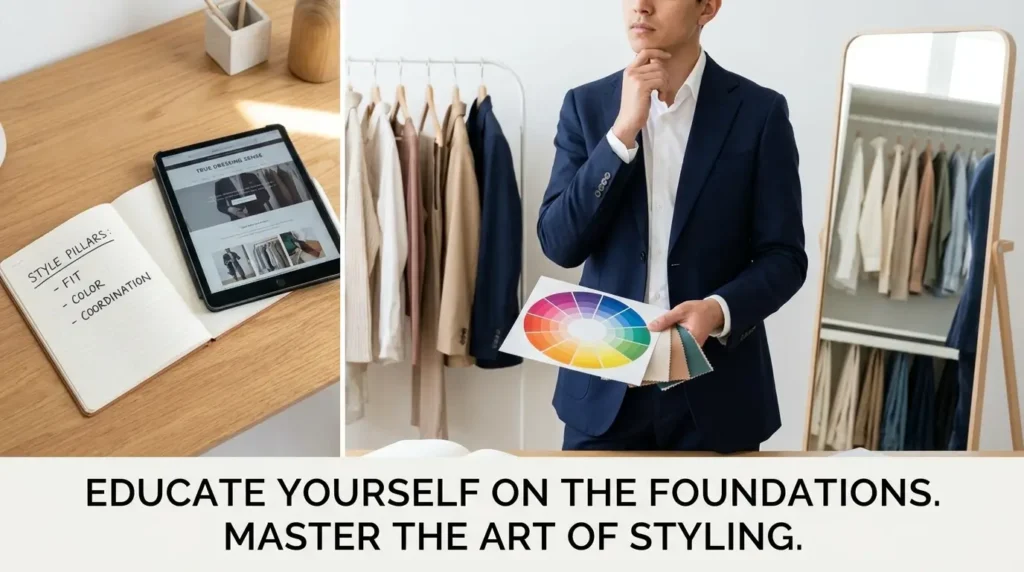
If you just clicked on this article, it means that somewhere deep down, you feel that your personal style isn’t quite where it needs to be. True dressing sense simply means understanding how to wear clothes, mastering the art of garment styling, and knowing how to build a clean aesthetic. It is all about how well you can independently combine different clothing pieces, manage color coordination, and select the right fit for your body type. By educating yourself on these foundational pillars, you can naturally fix your style and see an immediate improvement in your daily appearance.
The reality is that in India today, the vast majority of guys have a highly outdated or unpolished approach to fashion. If you commit to following this complete dressing sense zero to hero guide from start to finish, you will instantly separate yourself from 90% of the crowd. This is an absolute guarantee. Even if you are starting with zero baseline knowledge about clothes, this structured blueprint will seamlessly take you from a complete style novice to an elite, well-dressed gentleman.
Step 1: Establishing the Psychological Style Filter and Mindset
Before you buy a single piece of clothing, you must first build a definitive style mindset. You need to permanently establish a psychological rule in your mind: say goodbye to overly bright, neon colors and distracting cartoon prints. A refined wardrobe is always built on a foundation of clean, minimal patterns paired with versatile, neutral, and inherently classy colors.
When it comes to the silhouette of your clothes, avoid extreme proportions. Do not wear excessively baggy oversized outfits that swallow your frame, and stay away from extra-tight, skin-hugging clothes that restrict your movement and ruin your lines. Your absolute goal should always be to source properly fitted outfits that complement your natural body shape.
When you deliberately train your brain to recognize what looks cheap versus what looks genuinely sophisticated, it creates an internal filter. Once this psychological filter settles into your daily thinking, your shopping habits will change naturally. You will finally step into a clothing store and pick out the right timeless pieces without feeling overwhelmed or confused. True personal transformation always begins with a mindset shift—because without changing your thoughts, you can never change your style. Internalizing this single concept will immediately resolve 50% of your style struggles, and we will break down the remaining 50% in the upcoming steps.
Step 2: Constructing Your Top-Wear Wardrobe Foundation
Once your mindset is locked in, the next step is building a basic wardrobe using high-yield foundational items. These versatile pieces can be mixed and matched effortlessly for college, casual parties, daily errands, or relaxed get-togethers.
The Daily T-Shirt Essentials
Your top-wear foundation starts with three to four high-quality basic t-shirts in neutral tones. However, your specific body type dictates exactly how these garments should fit:
- For Skinny Guys: Choose a clean round-neck t-shirt with full sleeves to add structure. If you prefer half sleeves, ensure it is a neat, slim-fit cut. Avoid massive, unstructured oversized t-shirts that swallow your frame.
- For Athletic/Fit Guys: You can comfortably wear classic polo shirts or intentionally styled oversized t-shirts.
The Casual Shirt and Layering Pieces
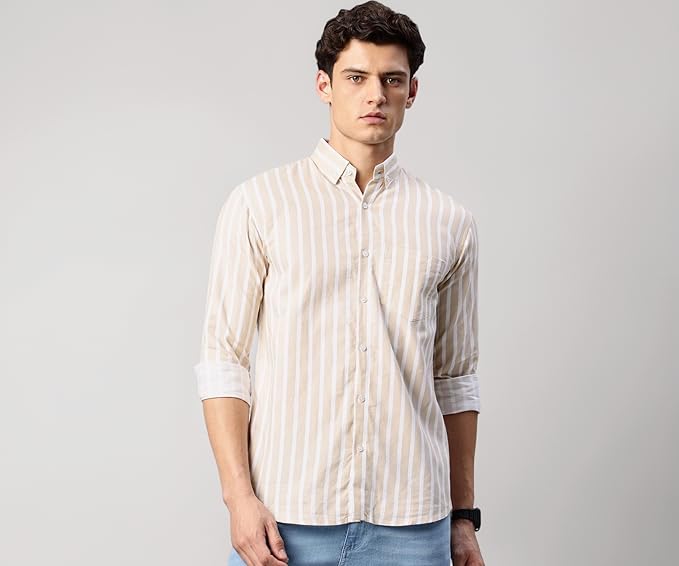
Next, add two to three casual shirts to your collection for college, tuition, casual parties, or hanging out with friends. Invest in solid plain shirts, vertical striped shirts, and classic checked shirts.
Pro Styling Tip for Super Skinny Guys: Lean heavily into casual button-up shirts rather than basic t-shirts. Shirts add instant structure around your shoulders and neck, making you look broader and significantly less fragile.
To round out your top-wear, introduce one or two lightweight jackets. Utilizing a jacket for effortless layering is the fastest way to turn a boring shirt-and-jeans look into a highly stylish outfit.
“`
Step 3: Deploying Your Lower Blueprint with the Dressing Sense Zero to Hero Guide
Completing your physical aesthetic requires a precise selection of your lower half foundations, classic footwear, and minimal details. To execute a complete style transformation, you must learn to balance your bottom-wear choices while keeping your daily configurations highly coordinated.
The Bottom-Wear Blueprint
You do not need a massive collection of pants to look elite; you simply need to secure a few highly versatile anchors. Your foundational lower wardrobe must include:
- Dark Blue Denim Jeans: This is a universal styling piece that effortlessly matches any casual t-shirt, structured shirt, or outer layering jacket.
- Black Denim Jeans: A sleek, sharp, and highly reliable choice that smoothly transitions into evening environments or casual parties.
- Tailored Chino Trousers: Invest in two to three pairs of neutral-colored chinos (such as beige, olive, or grey) to easily elevate your basic smart-casual appearance.
- Modern Trend Additions: To stay current with modern youth trends, incorporate one or two pairs of comfortable utility cargo pants, relaxed weekend shorts, or trending straight-fit pants.
Pro Fit Rule for Skinny Individuals: If you are on the leaner side, always purchase your jeans, chinos, and casual pants in a loose, straight-fit cut. Completely avoid skin-tight skinny fits or extra-stiff slim fits that unnaturally emphasize thin legs.
The Complete Footwear Routine
Your shoes carry the entire weight of your presentation. No matter how clean your shirt or jeans look, wearing the wrong shoes can instantly ruin your whole vibe. Build your collection around these three absolute essentials:
- Clean White Sneakers: A timeless lifestyle shoe that literally matches almost every casual outfit in your wardrobe.
- Classy Loafers: The ultimate choice for transitioning into smart-casual gatherings, outdoor outings, and semi-formal party looks.
- Minimal Sandals or Sliders: A comfortable, relaxed option reserved strictly for your daily chores and casual household wear.
An essential styling law to remember is that your footwear must remain impeccably clean. Walking around with dirty, scuffed shoes will completely sabotage the crisp impression of your clothes.
The Minimalist Accessory Rules
When it comes to completing an outfit with accessories, the ultimate framework is less is always more. Over-accessorizing looks cluttered and immature, whereas a minimal approach looks incredibly sophisticated. Stick to these basic elements to polish your appearance:
- A Timeless Timepiece: Start with a simple, elegant leather-strap watch or a classic metal analog watch.
- Sleek Wristwear: If you enjoy wearing hand ornaments, add a single minimal metal cuff or a basic, thin bracelet.
- The Final Polish: Never overlook the visual power of a high-quality leather belt and a sharp pair of classic sunglasses to protect your eyes during outdoor day events.
By ensuring your wardrobe contains these core top-wear, bottom-wear, shoe, and accessory basics, you will comfortably cover all of your daily casual commitments and small-scale events.
Step 5: Advanced Contrast Laws and Pattern Balancing Rules
To truly elevate your appearance and make budget-friendly clothes look highly expensive, you must master the core execution mechanics of visual balance. Even if you possess premium clothing pieces, a failure to combine them correctly will instantly sabotage your overall aesthetic. By implementing these strict styling rules, you will eliminate the risk of making accidental matching mistakes.
Rule 1: The Light and Dark Contrast Law
Always maintain a definitive visual contrast between your upper body and lower body garments. To achieve a balanced and clean look, apply this straightforward formula:
- Light Top, Dark Bottom: If you choose a light-colored top-wear piece, such as a crisp white casual shirt, pair it with dark bottom-wear, like deep blue denim jeans.
- Dark Top, Light Bottom: Conversely, if your top-wear is dark, such as a black crewneck shirt, contrast it with a lighter lower half, like beige chino trousers.
Consistently applying this contrast law ensures your outfits look highly intentional, structured, and naturally classy.
Rule 2: Pattern Balancing and Layering Execution
Never wear multiple patterned garments simultaneously. If your top-wear features a distinct print, a vertical stripe, or a bold check pattern, your bottom-wear must remain entirely plain and solid. Alternatively, if you choose to wear patterned trousers, keep your shirts or t-shirts completely basic. Mixing prints on both top and bottom creates visual clutter that looks unpolished and cheap.
When utilizing jackets or overshirts for layering, remember that your base layer (the t-shirt or tank top worn underneath) must remain entirely plain. Ensure it is completely free from heavy graphic prints, loud text slogans, or distracting logos. Keeping your layering pieces simple prevents your outfit from looking overly busy or messy.
Step 6: Implementing the Three-Color Limit and Footwear Matching Laws
To finalize your core styling execution, you must regulate how colors and accessories interact across your body. Uncontrolled color palettes or mismatched textures can ruin an otherwise perfect clothing arrangement. By adhering to strict mathematical limits, you keep your appearance orderly and balanced.
Rule 3: The Strict Three-Color Limit
To guarantee your outfit looks visually clean and coordinated, never permit more than three distinct colors in a single outfit simultaneously. When calculating your color count, utilize this specific formula:
- The Half-Color Rule: Pure black and pure white count only as half-colors due to their neutral baseline nature.
- The Full-Color Rule: All other original shades (such as navy blue, olive green, beige, or burgundy) count as full distinct colors.
For instance, pairing clean black jeans with a crisp white shirt totalizes just one single color group. If you introduce a structured green bomber jacket, your entire outfit reaches a total of two colors. This keeps you safely beneath the clutter threshold. While advanced fashion rules allow for more complex combinations, keeping to this three-color limit is the safest route to an automatic premium look.
Rule 4: Footwear, Belts, and Accessory Balance
Your shoes must consistently align with the formality and fit of your trousers. Pair loose straight-fit casual pants with lifestyle sneakers, style neat chinos with sleek loafers, and reserve formal suits for leather dress shoes. Furthermore, remember that in formal or semi-formal outfits, the color of your leather belt must directly match the color of your footwear.
When it comes to accessories, the golden rule is always less is more. Keep your additions minimal. Casual accessories—such as metallic necklaces, minimalist pendants, casual rings, or smartwatches—belong strictly with everyday casual clothes. Never mix casual wristwear or bulky sports accessories into a crisp formal suit setup. For professional environments, limit yourself to a timeless leather analog watch, a minimal bracelet, and clean sunglasses for daytime outdoor travel.
Step 7: Cultivating an Authentic, Confident Personal Style
The final step of this style journey is moving away from basic imitation and stepping into true customization. Following temporary internet fashion trends or copying runway models blindly will never give you an authentic personal style. Genuine style is about creating your own unique version based on your natural body shape, personal comfort, and lifestyle needs.
First, clarify your natural aesthetic direction:
- The Minimalist Path: Focuses on clean cuts, neutral palettes, and basic capsule staples.
- The Experimental Edge: Welcomes vintage patterns, unique textures, and relaxed streetwear cuts.
- The Rugged/Dark Aesthetic: Uses structured black layers, monochrome tones, and classic leather statement pieces.
Once you establish your preference, construct your foundation around those specific pieces. True style only becomes visible when you feel completely comfortable and confident in your clothes. To make your look memorable, incorporate a subtle signature detail—such as a specific way you fold your cuffs, a distinct watch style, or a signature fragrance—that acts as your personal visual trademark. Fashion is what the world follows, but true personal style is what you build for yourself.
Frequently Asked Questions (FAQ)
1. How can a beginner instantly improve his dressing sense?
A beginner can instantly upgrade his style by shifting away from flashy neon colors and graphic prints toward neutral basics like black, white, grey, and navy blue. Ensuring your clothes fit your frame perfectly without being too tight or too baggy instantly boosts your aesthetic.
2. What are the core essentials needed for a men’s capsule wardrobe?
A highly versatile men’s capsule wardrobe requires a few timeless foundational pieces: three neutral crewneck t-shirts, a white casual shirt, a pair of dark blue jeans, structured black denim, neutral chinos, a lightweight jacket, and a fresh pair of clean white lifestyle sneakers.
3. How should a skinny guy style his daily outfits?
Skinny individuals should prioritize structured casual shirts over basic t-shirts to add structure to the neck and shoulders. If wearing t-shirts, select full-sleeve round necks or neat slim fits, and always choose loose straight-fit pants while avoiding tight skinny jeans.
4. What is the three-color rule in men’s fashion?
The three-color rule states that a single outfit should never contain more than three distinct colors. Pure black and pure white are calculated as half-colors, while original shades count as full colors, ensuring your visual presentation remains clean and unified.
5. Why is clothing fit more important than clothing brands?
An inexpensive, budget-friendly garment that is perfectly tailored to your body proportions will always look more premium and attractive than an expensive luxury brand item that fits poorly, bags at the waist, or bunches up at the ankles.
6. Can you wear white sneakers with formal clothing?
No, pure formal clothing setups like professional business suits or interview attire should strictly be paired with classic leather dress shoes or structured formal loafers. Save white lifestyle sneakers for casual outings, colleges, or smart-casual night parties.
7. How do you properly match patterns when layering clothes?
When layering an open shirt or jacket over a base t-shirt, your underlying base layer must remain completely plain and solid. Never combine a patterned outer jacket with a graphic or printed undershirt, as this creates a cheap, cluttered look.
8. What footwear should every college student own?
A practical, stylish footwear rotation for college students includes a pair of clean white lifestyle sneakers for daily wear, a pair of classic suede loafers for smart-casual evening gatherings, and high-quality minimal sandals or sliders for casual errands.
9. How do you choose the right color contrast for an outfit?
To achieve optimal visual balance, create a clean contrast between your upper body and lower body clothes. If your top-wear is light-colored, select dark-colored pants. If your top-wear is dark-colored, match it with a lighter shade of chinos or trousers.
10. What accessories are acceptable for a clean, formal look?
For a sophisticated formal presentation, stick to minimal accessories. A classic analog watch with a leather or metal strap, a very thin minimal bracelet, a sleek leather belt that matches your shoes, and a pair of timeless sunglasses are completely sufficient.
11. How do you transition an outfit from a daytime routine to a night party?
You can easily elevate a daytime base of black jeans and a plain t-shirt for a night party by adding a sharp third layer, such as a denim, leather, or bomber jacket, and swapping out casual sandals for elegant leather loafers or clean sneakers.
12. Are oversized clothes recommended for short or lean men?
Massive, completely unstructured oversized clothes are generally not recommended for lean or shorter body types because the excess fabric swallows your natural frame and makes you look smaller. Stick to clean, regular straight fits instead.
13. What traditional clothing is best for an Indian wedding event?
For traditional Indian weddings or festive occasions, choose a clean, minimalist plain kurta paired with structured straight-cut pajamas. To add a layer of sophistication, complete the look with a solid bandhgala jacket or a classic tailored sherwani.
14. How often should you clean your everyday footwear?
Your shoes should be inspected and cleaned weekly. Walking around in scuffed, dirty white sneakers or dusty leather loafers will instantly ruin the positive impression of an otherwise pristine, well-coordinated outfit.
15. What are the best pants to replace tight skinny jeans?
Modern straight-fit pants, relaxed chino trousers, and utility cargo pants are excellent options to replace outdated skinny jeans. They provide a relaxed silhouette that improves comfort while creating a more masculine, balanced frame.
16. Why should you avoid bright neon colors and loud prints?
Bright neon shades and large cartoon prints attract intense visual attention for the wrong reasons, often looking unpolished or immature. Neutral tones and minimal patterns naturally project an elegant, sophisticated aura.
17. How do you match your belt with your shoes correctly?
The rule of leather matching applies to formal and semi-formal wear. Ensure that the color and finish of your leather belt directly coordinate with your leather shoes—for example, a polished black leather belt must pair with black leather dress shoes.
18. What makes an outfit look “chapri” or unpolished?
An outfit looks unpolished when it features excessive colors, loud metallic accents, extreme skin-tight fits, dirty footwear, and a combination of multiple busy patterns on both the top and bottom garments simultaneously.
19. How do you discover your personal style direction?
Identify whether you are naturally drawn to clean minimalist lines, bold experimental streetwear, or sleek monochrome dark aesthetics. Gather basic items within that specific category and customize them to fit your proportions comfortably.
20. Does building a great dressing sense require a lot of money?
No, building a premium dressing sense requires styling knowledge rather than a massive budget. By purchasing affordable, neutral-colored basics, keeping them clean, and focusing heavily on proper tailoring, any guy can look exceptional.
Conclusion: Your Actionable Style Takeaway
Transforming your appearance from scratch is a highly achievable journey that relies on foundational knowledge rather than a luxury budget. By shifting your mindset toward minimal, classic pieces, securing essential wardrobe anchors, and respecting the laws of color contrast and pattern balance, you can effortlessly elevate your daily presentation.
True style is a direct reflection of self-respect and social awareness. Take an hour this weekend to audit your current wardrobe collection, set aside the loud prints that no longer serve your goals, and begin assembling a clean foundation that allows you to step out the door with unshakeable confidence. If you want to dive deeper into custom garment pairings or look at budget-friendly footwear shortlists for the current season, we can easily break that down next.